What Are Liabilities in Accounting? With Examples
Posted by admin | Filed under Bookkeeping

The current ratio measures a company’s ability to pay its short-term financial debts or obligations. It shows investors and analysts whether a company has enough current assets on its balance sheet to satisfy or pay off its current debt and other payables. Current liabilities are typically settled using current assets, which are assets that are used up within one year. Current assets include cash or accounts receivable, which is money owed by customers for sales. The ratio of current assets to current liabilities is important in determining a company’s ongoing ability to pay its debts as they are due. Liabilities are aggregated on the balance sheet within two general classifications, which are current liabilities and long-term liabilities.
How Do I Know If Something Is a Liability?
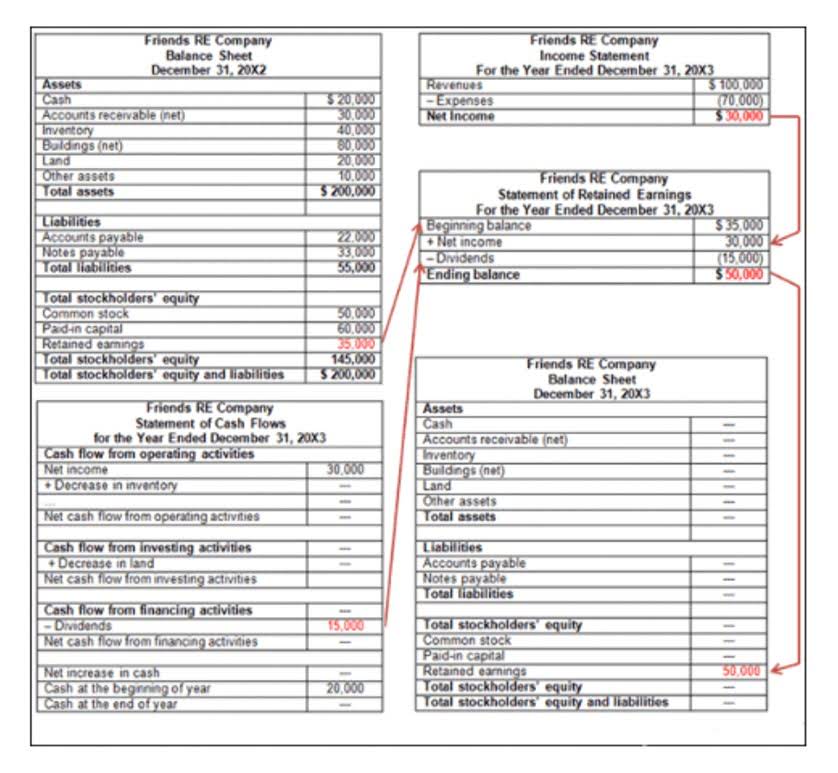
A liability is anything that’s borrowed from, owed to, or obligated to someone else. It can be real like a bill that must be paid or potential such as a possible lawsuit. A company might take out debt to expand and grow its business or an individual may take out a mortgage to purchase a home. Companies of all sizes finance part of their ongoing long-term operations by issuing bonds that are essentially loans from each party that purchases the bonds.
Debits and Credits in Accounting: A Simple Breakdown
In the General Motors automobile warranty case, the liability occurs at the time of sale because at that time the firm obligates itself to make certain repairs. The signing of a labor contract between a firm and an individual does not cause the firm to recognize a liability. Rather, the liability is recognized when the employees perform services for which they have not yet been compensated. To give another example, the exchange of promises of future performance between two firms or individuals does not result in the recognition of liability or the related asset.
Resources for Your Growing Business
In conclusion, liabilities play a crucial role in business operations, as they represent the financial obligations a company has to its employees, suppliers, lenders, and other stakeholders. Proper management of these liabilities is essential to ensure smooth business operations and long-term financial health. These are the periodic payments made by a lessee (the business) to a lessor (property owner) for the right to use an asset, such as property, plant or equipment. In accounting terms, leases can be classified as either operating leases or finance leases. An operating lease is recorded as a rental expense, while a finance lease is treated as a long-term liability and an asset on the balance sheet.
- Current assets include cash or accounts receivable, which is money owed by customers for sales.
- The current/short-term liabilities are separated from long-term/non-current liabilities.
- A contingent liability is a potential liability that will only be confirmed as a liability when an uncertain event has been resolved at some point in the future.
- Thus, some liabilities are incurred in the normal course of business as a management choice, whereas others are imposed on the firm by governmental authorities.
- Analysts and creditors often use the current ratio, which measures a company’s ability to pay its short-term financial debts or obligations.
- After almost a decade of experience in public accounting, he created MyAccountingCourse.com to help people learn accounting & finance, pass the CPA exam, and start their career.
- However, if you know the characteristics of a liability, you can categorize a transaction as one.
Based on their durations, liabilities are broadly classified into short-term and long-term liabilities. Short-term liabilities, also known as current liabilities, are obligations that are typically due within a year. On the other hand, long-term liabilities, or non-current liabilities, extend beyond a year. Besides these two primary categories, contingent liabilities and other specific cases may also exist, further adding complexity to accounting practices.
- By planning for future obligations, understanding the different types of debt, and implementing effective strategies for paying off debt, businesses can successfully navigate their financial obligations.
- They can include a future service owed to others such as short- or long-term borrowing from banks, individuals, or other entities or a previous transaction that’s created an unsettled obligation.
- The business receives cash for the loan but has to repay that amount to the bank in the future.
- Taxes and rent or mortgage payments are often the largest liability of an individual or household.
- In very specific contract liabilities, failure to pay on the installment date will produce penalties, and such penalties can also be considered a cost of having liabilities.
- Liabilities are categorized as current or non-current depending on their temporality.
- But not all liabilities are expenses—liabilities like bank loans and mortgages can finance asset purchases, which are not business expenses.

Basically, these are any debts or obligations you have that need to get paid within a year. It’s important to keep a close eye on your current liabilities to help make sure that you have enough liquidity from your current assets. This is to help guarantee what is an liabilities in accounting that any debts or obligations your business has can get met. Liabilities are legally binding obligations that are payable to another person or entity. Settlement of a liability can be accomplished through the transfer of money, goods, or services.
Short-term liabilities, also known as current liabilities, are obligations or debts that a company expects to settle within a year or its operating cycle, whichever is longer. Accounts payable are amounts owed to suppliers for goods or services received but not yet paid for. These can provide businesses with necessary working capital for day-to-day operations. Companies must carefully monitor their payment obligations and ensure they have sufficient liquidity to meet these obligations on time. Monitoring and managing these liabilities are essential for maintaining a healthy financial position and avoiding potential disruptions in cash flow. Long-term liabilities are obligations or debts that a company expects to settle over a period longer than one year or its normal operating cycle.
What Are Liabilities in Accounting? With Examples
Comments are closed.