The Angry Drunk: How Alcohol and Aggression Are Linked
Posted by admin | Filed under Sober living
The urn random assignment was carried out by the project coordinator via a computerized program. To curb alcohol-fueled rage, it helps to know how you respond to drinking. Those expectations can also arise from what we’ve learned about alcohol from family members and peers. If you had a parent who was frequently enraged while drunk, you may expect that response in yourself when drinking and therefore exhibit it.

When it comes to anger specifically, people may experience a phenomenon called “alcohol myopia” in addition to their already heightened emotions. This scenario involves losing your sense of perception under the influence. As a result, you may be overly aggressive during a situation where you’d otherwise notice the cues that tell you to think more rationally. Alcohol use and anger can both be treated using psychotherapy approaches rooted in cognitive behavioral therapy (CBT). These medicines can help reduce the negative side effects of detoxification and withdrawal.
How Music Therapy & Substance Abuse Recovery Work
Use of this framework provides the opportunity to identify “the critical and most potent instigating and inhibiting factors” (p. 8) for alcohol-related aggression, so that interventions can be directed at these fundamental determinants [6]. The stress-reducing effects of alcohol often make people believe there are no real consequences for their actions, which leads to confrontations, fights, or displays of aggression. This is called alcohol myopia, and it’s another reason why people are quick to anger when they drink. In other words, whatever you’re feeling before you drink will likely be magnified once you’re drunk, and because your decision-making is impaired, you’re more likely to act out that anger.
But the brain is deeply (and immediately) impacted by heavy alcohol use as well. In fact, it’s the relationship alcohol shares with the brain that often causes people to experience things like rage and irritability while drinking. As if that wasn’t complex enough, anger can also result from inherited tendencies or brain chemistry.
Low Regard for Consequences
Admittedly, it’s hard to surrender the need to be right in favor of love and compromise. But, little by little, surrendering these reflexive instincts is a more compassionate, evolved way to get your needs met and keep relationships viable if and when it’s possible.” ~Dr. Judith Orloff As Dr. Orloff points out, overpowering anger is extremely difficult. The same goes for alcoholism – and overcoming both of them at the same time can seem daunting. With the right kind of help, you can put anger and alcoholism behind you and move toward a happier, healthier life. According to the Substance Abuse and Mental Health Services Administration (SAMHSA), nearly 8 million adults in the United States struggled with both a mental health disorder and addiction in 2014.
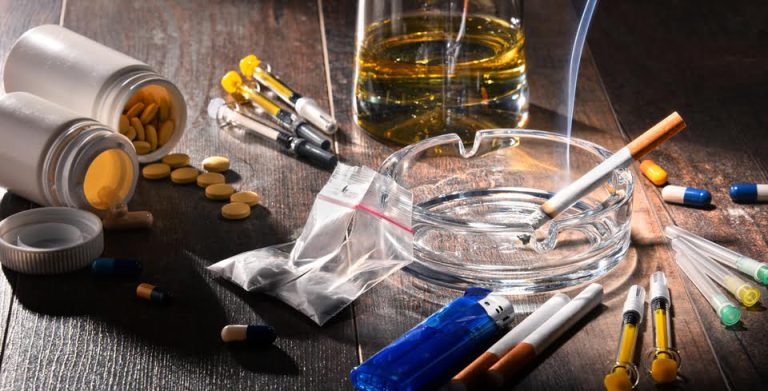
Many have unresolved feelings of anger, frustration, or rage before they reach for alcohol. Additionally, it’s common for people to self-medicate with alcohol, thinking that drinking will numb those feelings or allow them to forget – if only for one evening. The mood someone is in when they begin drinking is often the mood that will be intensely felt once they’ve reached a level of intoxication. That, paired with the way people make decisions when they’re drinking, is often a recipe for disaster. Lack of emotional support, social isolation, disengagement from recovery programs, and not treating co-occurring disorders can contribute to dry drunk syndrome. When someone enters recovery for alcohol abuse, they usually struggle with anger problems and emotional regulation.
The Truth Behind Alcohol and Anger
Alcohol consumption reduces negative emotional states, including anger, and is negatively reinforcing via tension reduction (Sher & Levenson, 1982). Anger also contributes to relapse via psychological and interpersonal influences. Enhancing anger management skills may improve coping with anger as well as enhance accessing other cognitive and behavioral coping skills disrupted by anger arousal. Although the relationship between alcohol and behavioral aggression is complex (Cavell & Malcolm, 2007), meta-analyses consistently suggest that alcohol increases aggression (Bushman & Cooper, 1990; Hull & Bond, 1986; Ito, Miller, & Pollock, 1996). In stark comparison, probability of marital aggression among those low on alcohol dependence was not influenced by hostility (.01 probability).
- In contrast, sober persons in the same situation possess enough working memory to allot attention to provocative and non-provocative cues, thus increasing their risk of aggression above that of intoxicated persons.
- If you are close to someone who experiences alcohol-induced anger, it’s important to get help and support.
- AM focused on the development of relaxation and cognitive coping skills for anger regulation (see Table 1 for outline of AM).
- We don’t want you to face uncontrolled anger or alcohol use disorder alone – we want to help.
- After detox, individuals suffering from co-occurring disorders often proceed directly into a residential treatment program where structured around-the-clock programming can help to manage both disorders.
When you drink alcohol, those inhibitions are lifted, and if you’re feeling angry, you’re more likely to express it and do so in an exaggerated way. Aggression can also be rooted in emotions like fear or competitiveness. Likewise, hostility is an attitude of resentment and unfriendliness alcohol depression and anger that doesn’t require feelings of anger. When combined with other evidence-based therapies, such as cognitive behavioral therapy (CBT), MAT can help prevent relapse and increase your chance of recovery. Domestic violence is a very dangerous potential result of alcohol abuse.
Comments are closed.